Insurance Rating Engine
What an insurance rating engine is, the must-have features to look for, the benefits of centralizing pricing logic, and how to integrate it with your stack.
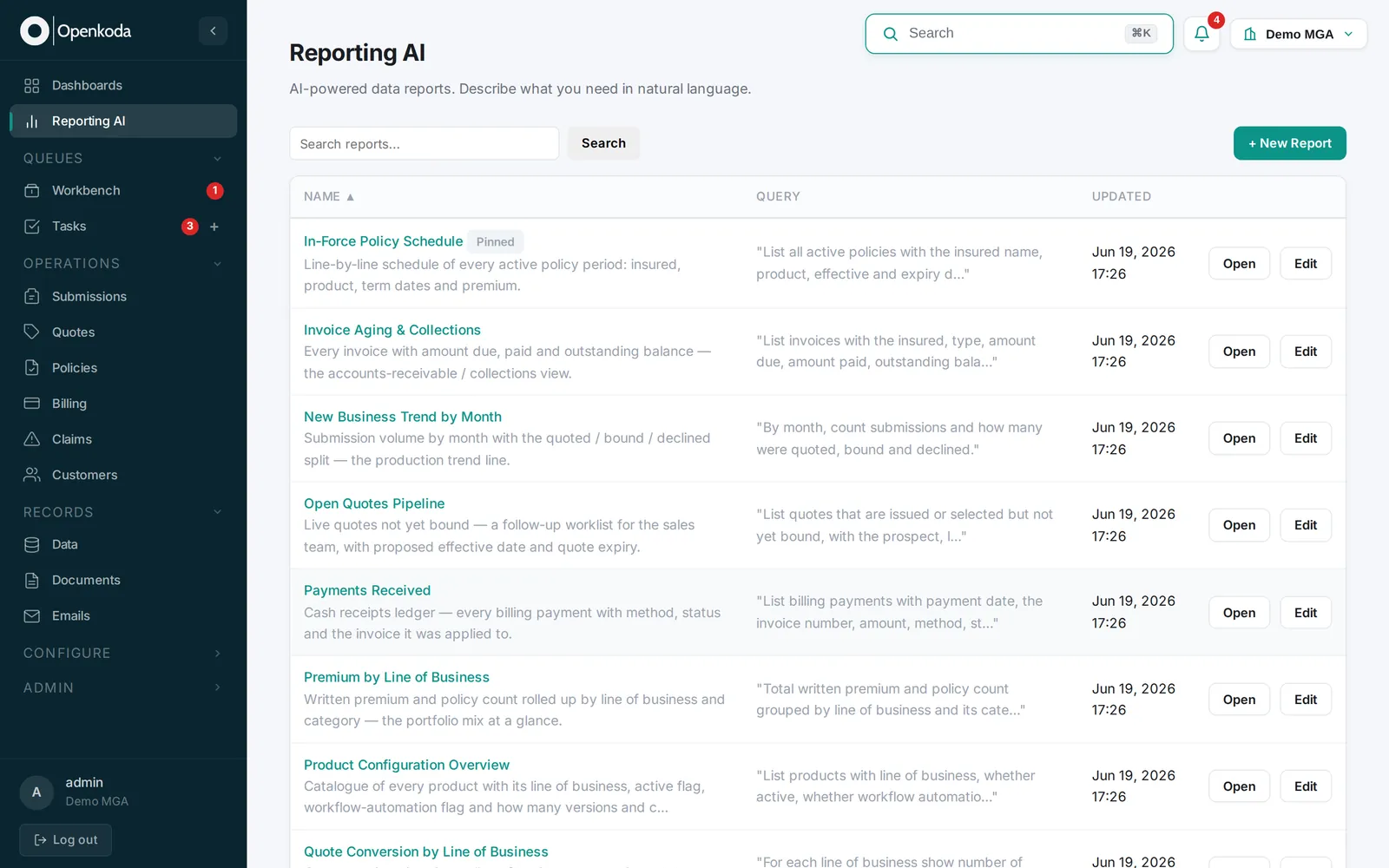
An insurtech platform is a digital environment for creating, managing, and distributing insurance products, unifying underwriting, policy admin, and claims.

An insurtech platform is a comprehensive digital environment designed to support the creation, management, and distribution of insurance products using modern insurance technology. It integrates core functionalities – such as underwriting, policy administration, and the claims process – into a single, flexible ecosystem.
Unlike traditional systems, which are often rigid and siloed, insurtech platforms are built with scalability and adaptability in mind. They enable insurers, carriers, and agencies to rapidly launch new offerings, whether it's health insurance, car insurance, or more niche, embedded coverage models. These platforms rely heavily on leveraging technology, including AI, data analytics, and automation, to streamline operations and enhance decision-making.
At their core, insurtech solutions are about enabling businesses to move faster, reduce operational friction, and deliver more personalized protection to customers. They also allow companies - whether large insurers or innovative startups – to embed insurance directly into customer journeys, supporting the growing trend of embedded insurance.
The shift toward digital transformation is no longer optional in the insurance industry - it's essential. Customers expect seamless digital experiences, faster claims handling, and tailored insurance solutions that fit their lifestyles.
An insurtech platform helps insurers meet these expectations while staying competitive in a rapidly changing market. It empowers companies to modernize legacy systems, improve efficiency, and respond quickly to new business opportunities.
More importantly, it enables a stronger connection between insurers and policyholders. By combining insurance expertise with advanced technology, companies can deliver better outcomes and improve overall customer satisfaction.
Why modern insurtech platforms matter:
A modern insurtech platform brings together multiple capabilities into a unified system. While features may vary depending on the provider, the most effective platforms share several key characteristics that support both operational excellence and innovation.
Flexibility is critical.
A strong insurtech platform allows insurers to scale their operations and adapt to changing market needs without overhauling the entire system. Modular architecture means companies can introduce new features or insurance solutions incrementally – whether expanding into new markets or launching embedded insurance offerings.
AI plays a central role in modern insurance technology. From underwriting to fraud detection, AI-driven insights help insurers make faster and more accurate decisions. This is particularly valuable in areas like health insurance and car insurance, where risk assessment and pricing rely heavily on data.
By leveraging technology effectively, insurers can move from reactive to predictive models - improving both efficiency and customer outcomes.
The claims process is one of the most critical touchpoints for customers.
Insurtech platforms streamline this process through automation, real-time data access, and intelligent workflows.
This not only reduces processing time but also enhances transparency for policyholders. A smooth claims experience can significantly impact how customers perceive a brand - something companies like Farmers Insurance have long recognized as essential to retention and trust.
One of the most transformative features of any modern insurtech platform is its ability to support embedded insurance. This allows insurance to be seamlessly integrated into non-insurance products or services – such as travel bookings, eCommerce checkouts, or mobility apps.
By enabling embedded insurance, insurers can reach customers at the exact moment they need protection, creating new revenue streams and improving overall accessibility of insurance products.
Today's insurance solutions don't operate in isolation.
A robust insurtech platform offers strong integration capabilities through APIs, allowing seamless connections with external systems, partners, and digital channels.
This is especially important for agencies and insurers looking to build ecosystems around their offerings. Whether integrating with payment providers, CRM systems, or third-party data sources, connectivity ensures that the platform remains future-proof and aligned with ongoing digital transformation efforts.
What an insurance rating engine is, the must-have features to look for, the benefits of centralizing pricing logic, and how to integrate it with your stack.

What marine cargo insurance covers, who needs it, the main policy types (ICC A/B/C, single voyage, open cover), and key contract requirements.

An insurer owned by the businesses it covers, the forms it takes, and what separates a captive from simply retaining the risk.
Book a live, personalized demo with our product team - tell us your use case and see the platform work with your data. No commitment.