How to Set Up Your Own Rating and Premium Calculation Rules in Openkoda PAS
Build a motor rating engine from four tables: derive the ages you do not store, combine the factors, add fees and tax, then price a real risk and reprice it.
The benefits of embedded car insurance and a step-by-step guide to building a dynamic, embeddable auto insurance quote form with Openkoda.

Embedded insurance is rapidly transforming how customers engage with car insurance providers. By integrating insurance seamlessly into existing platforms, websites, or applications, insurers can provide instant, personalized coverage exactly when customers need it most.
In this article, we'll guide you step-by-step through creating a dynamic, embeddable quote form for car insurance that you can easily modify and integrate into your platform. But first, let's explore why embedded insurance is particularly valuable to the car insurance sector.
Rather than navigating away from a site or contacting separate providers, with embedded insurance, customers can receive instant auto insurance quotes right at the point of purchase or decision. This streamlined experience dramatically reduces friction and encourages faster purchase decisions.
Another critical advantage of embedded insurance is its potential for significantly improving conversion rates. When insurance coverage is presented naturally and contextually, customers are more inclined to purchase instantly, resulting in fewer abandoned transactions and increased sales.
Automated processes reduce administrative overhead, minimize human error, and streamline underwriting and policy issuance. Real-time data validation ensures accuracy, reducing claims disputes and streamlining operations.
Embedded insurance offers insurers the ability to customize and personalize insurance product offerings dynamically. Products and coverage levels can be updated instantly within embedded platforms, providing greater flexibility to respond to customer demands and market trends.
Lastly, offering embedded insurance provides companies with a clear competitive advantage. Delivering a modern, customer-centric approach to car insurance attracts tech-savvy consumers who value transparency, ease of use, and immediate service.
Creating a customized and embeddable car insurance quote form can significantly enhance your customers' experience and boost conversions.
In this step-by-step guide, we'll show you exactly how to build an interactive form for car insurance that can be embedded to your platform using Openkoda.
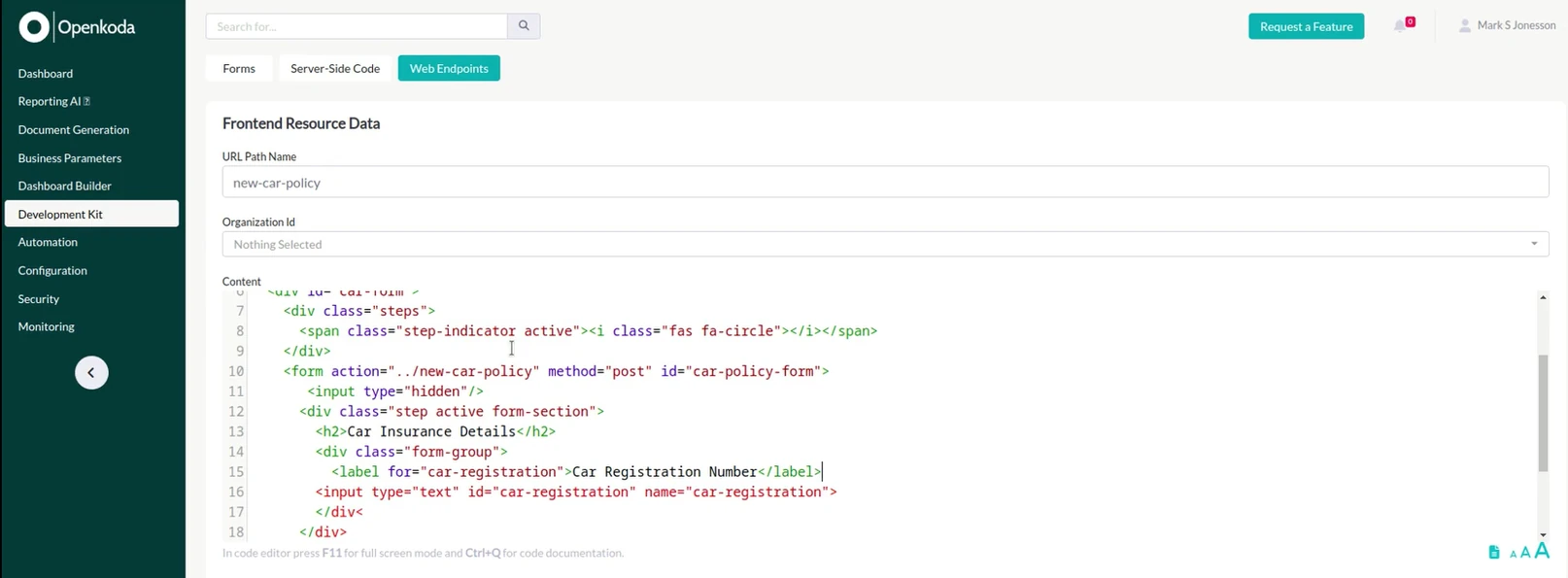
Begin by laying the foundation of your form with a few essential questions.
Go to Development Kit in the Openkoda platform and add new Web Endpoint called "new-car-policy".
These questions help gather critical data needed for an accurate car insurance quote:
Including these fields allows you to quickly collect the data needed to calculate accurate quotes for potential policyholders.

Next, enhance your form by adding intuitive dropdown boxes for selecting car insurance coverage packages.
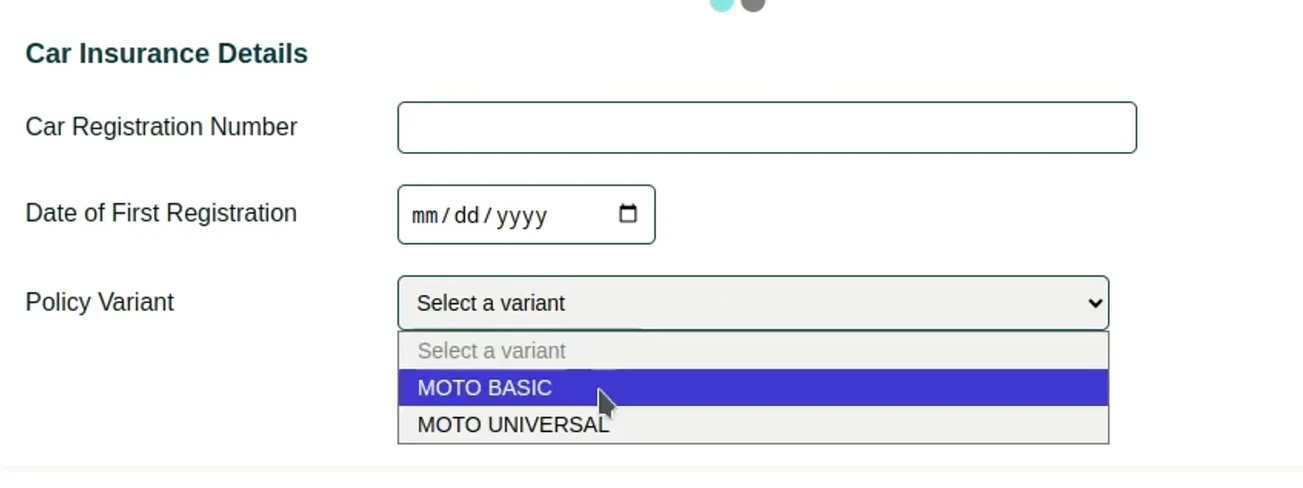
These dropdown fields dynamically pull their values directly from your Openkoda database, ensuring consistency and eliminating manual updates.
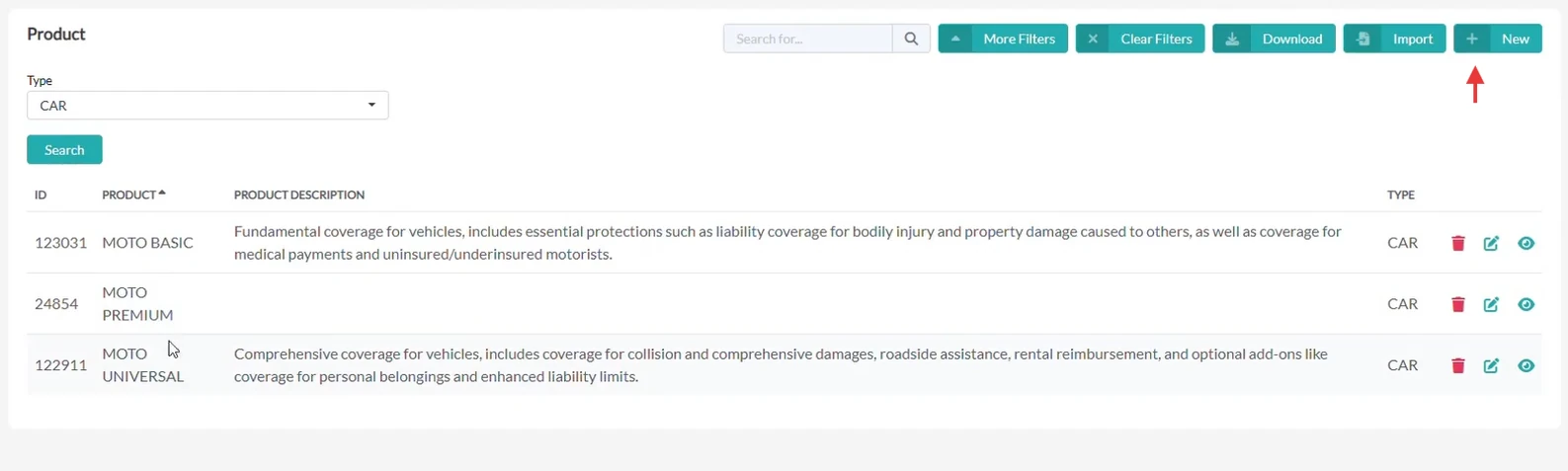
Clients can conveniently select coverage variants such as:
If you decide to introduce a new variant, such as Premium Coverage, simply update your database, and it immediately becomes available on your embedded form.
Dynamic integration with your database ensures your customers always see the latest insurance options.
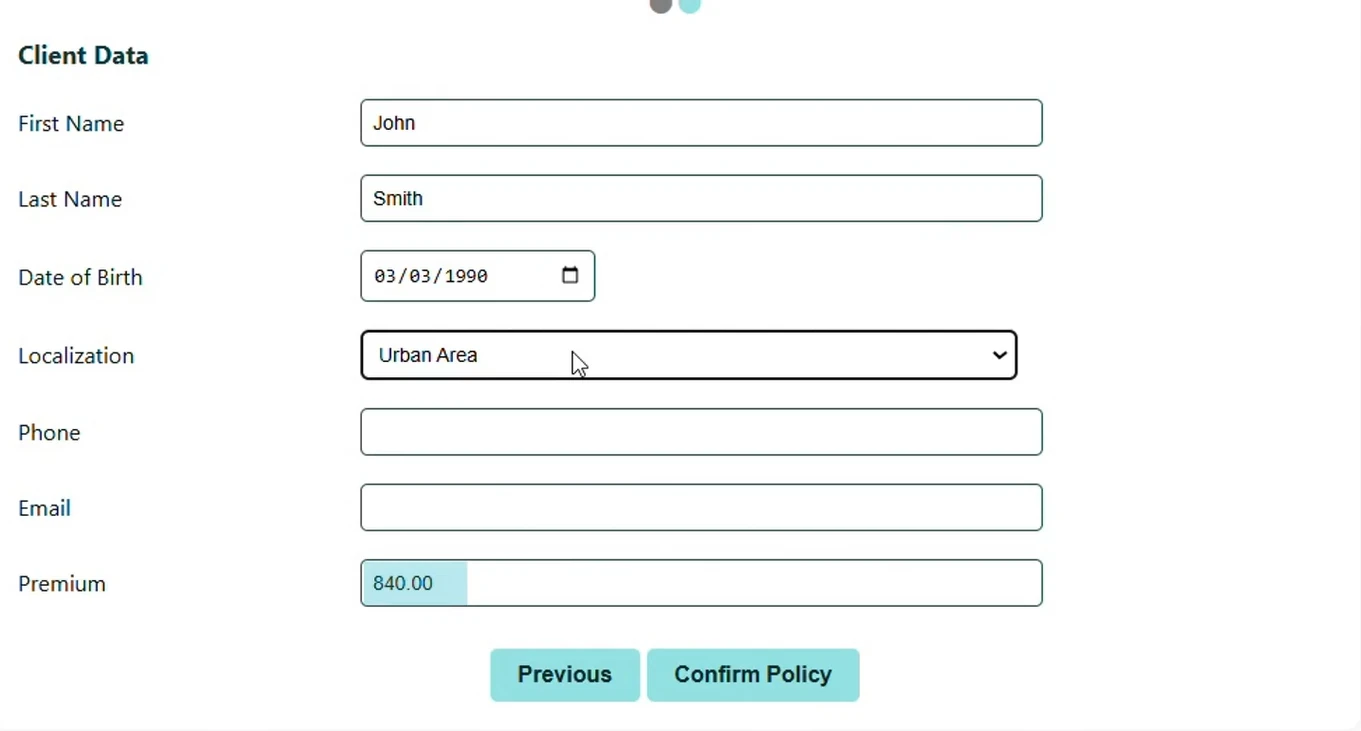
Your form should provide instant, accurate pricing to encourage quick buying decisions. To do this, add dynamic premium calculation logic.
The form will use predefined formulas considering factors like:
This logic calculates the premium instantly, providing transparency and enhancing customer trust. Users can see how changes in their input immediately reflect in premium pricing.
According to the data introduced by the customer, the premium values change dynamically in real time.
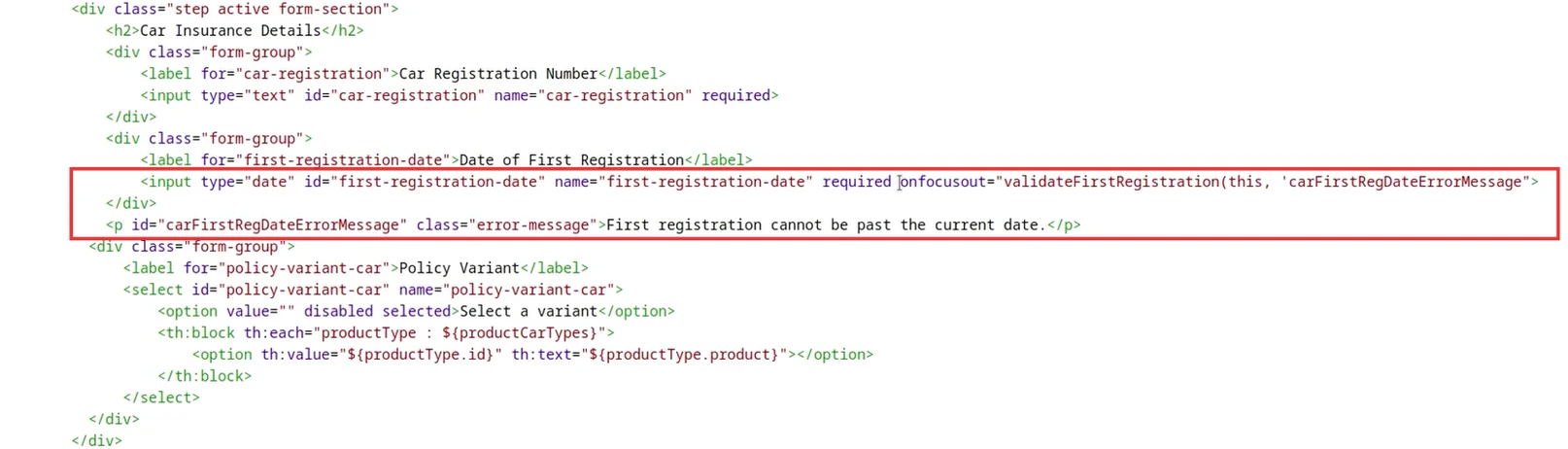
Validation is key to ensuring data accuracy and smooth processing. Adding validation rules to your form prevents errors by checking inputs in real-time.
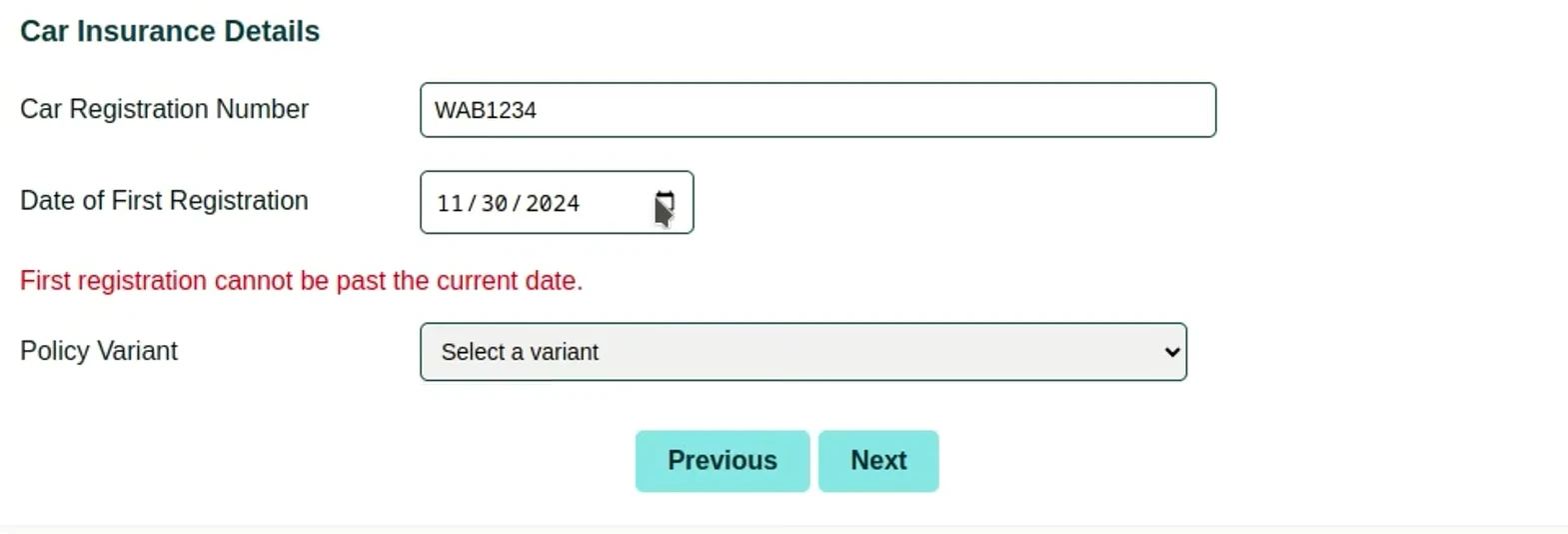
For example, the system verifies:
Clear notifications guide users if they enter invalid data, ensuring accuracy and reducing administrative workload.
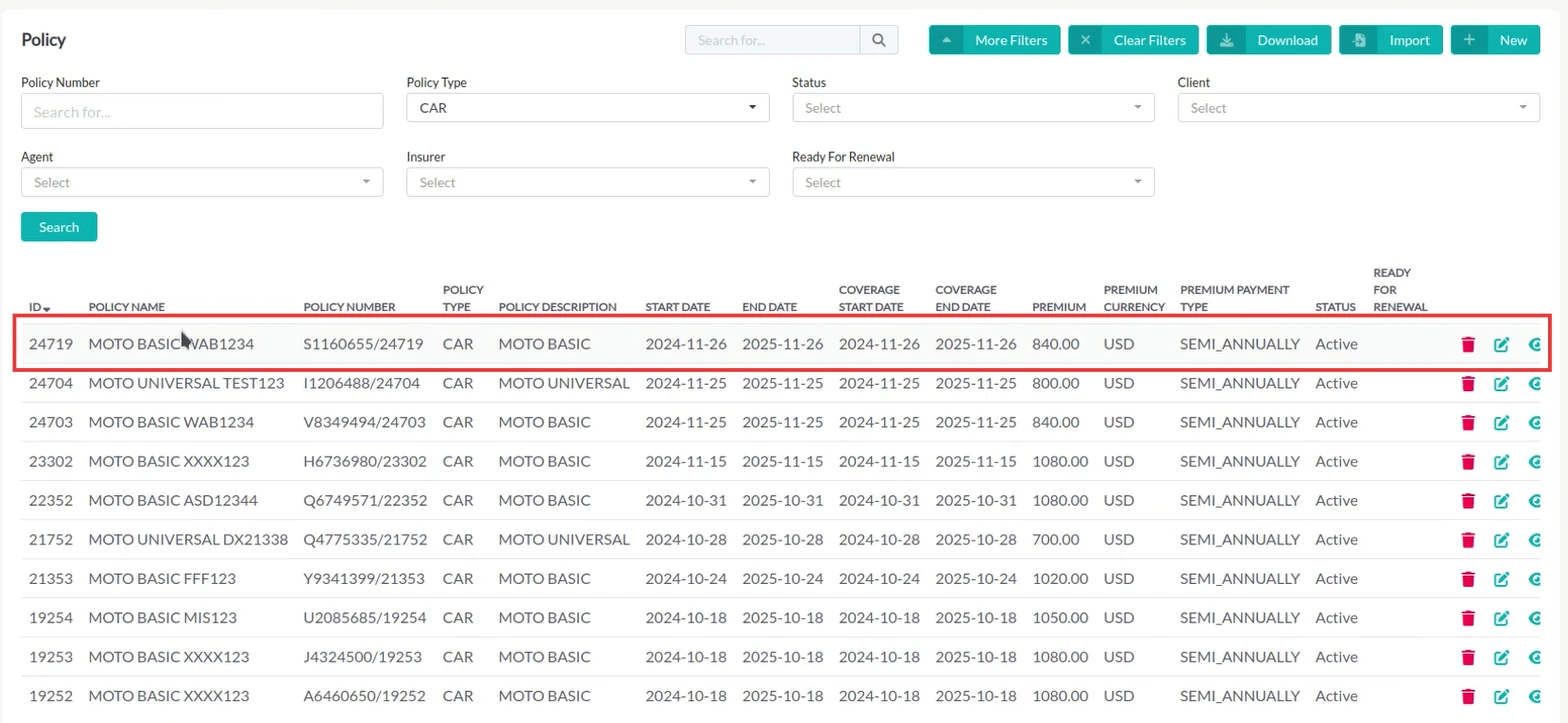
Upon submission and confirmation, each policy quote is securely and instantly stored in your database.
Openkoda ensures all data is safeguarded, structured, and easy to retrieve for underwriting, reporting, or policy management.
Your policy management dashboard conveniently displays all collected information, simplifying ongoing management and analysis.
Enhance customer engagement and speed up conversions by sending automatic confirmation emails once the form is submitted.
Your embedded car insurance form can trigger an immediate email containing:
This automation significantly improves client satisfaction by streamlining their buying experience, driving increased sales.
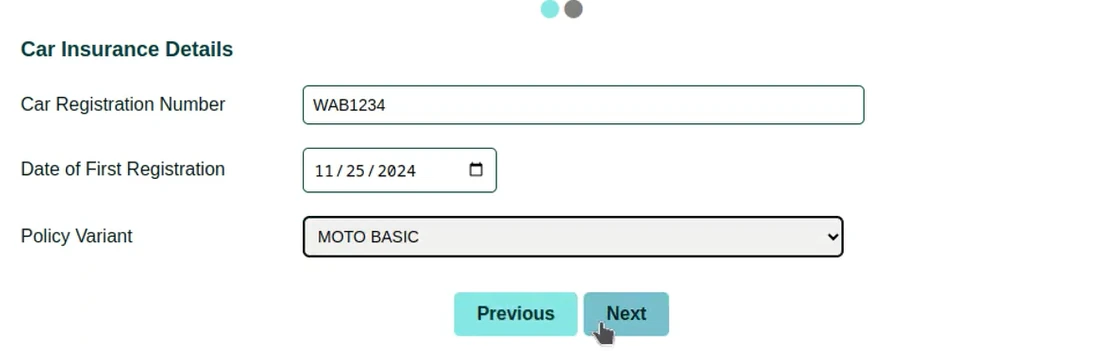
Now your fully interactive, intuitive, and accurate car insurance quote form is ready to integrate into your website!
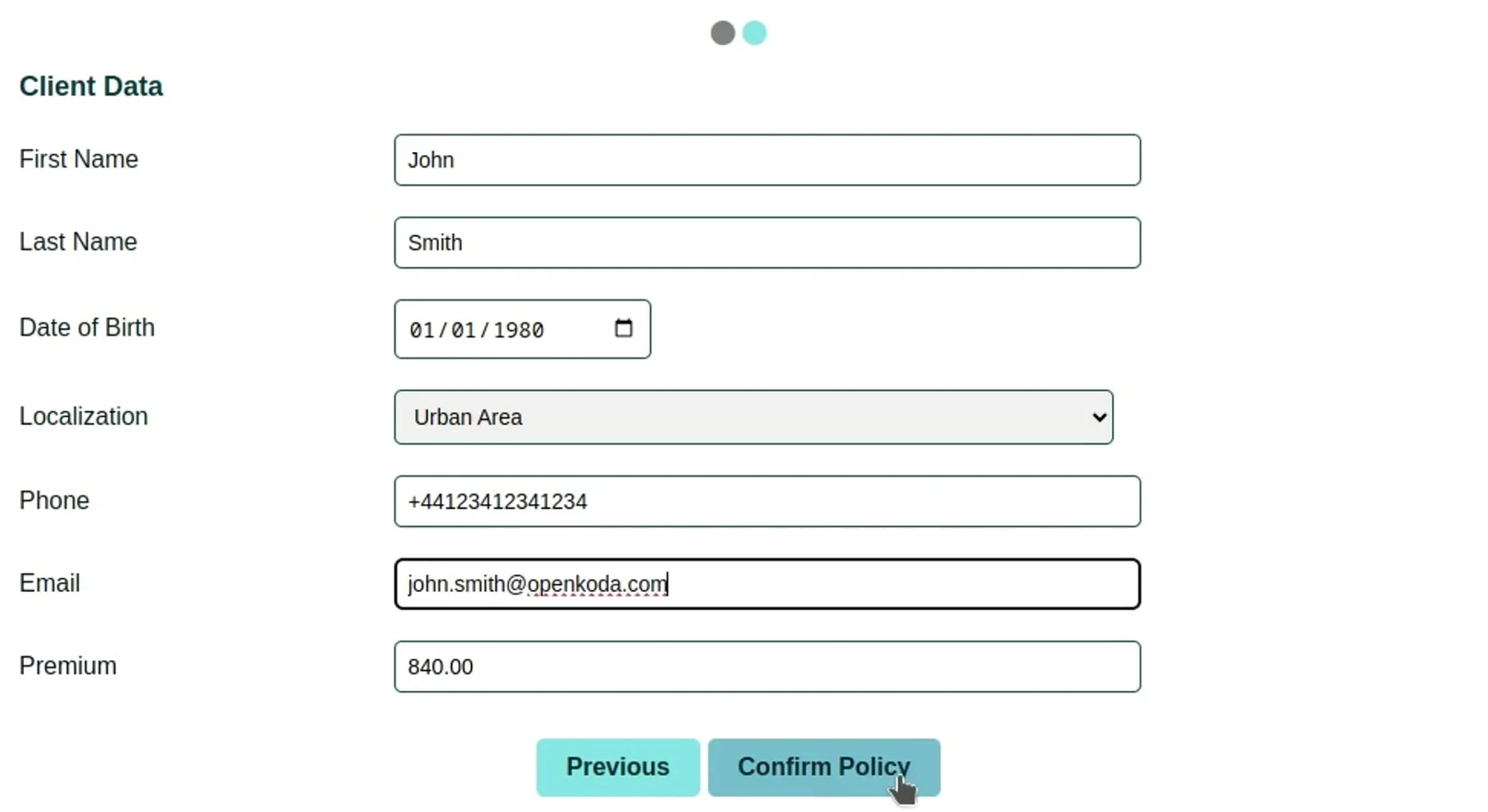
Your embedded form features:
This powerful, user-friendly solution dramatically reduces development time and helps insurers quickly adapt to customer demands, ultimately increasing conversions and customer satisfaction.
With Openkoda, creating an embeddable car insurance quote form takes only minutes. The result? Improved client experience, enhanced operational efficiency, and increased potential for conversions.
Want to see Openkoda in action or learn how we can tailor a solution to your unique business needs?
Book a personalized demo and transform your insurance quoting experience with our flexible, powerful software solution for the insurance industry.

Build a motor rating engine from four tables: derive the ages you do not store, combine the factors, add fees and tax, then price a real risk and reprice it.

Automate a claim acknowledgment end to end: a Word template with placeholders, the email that carries it, and a workflow that fires when the claim form arrives.
Build a billing desk board tile by tile, then a second one by describing it in a sentence, and make one the screen your team signs in to.
Book a live, personalized demo with our product team - tell us your use case and see the platform work with your data. No commitment.